Dental Implants Bakersfield CA and Personalized Treatment Planning
Replacing a missing tooth is rarely just about filling a gap. In practice, it touches chewing comfort, speech, confidence, gum health, bite stability, and often a patient’s willingness to smile without thinking about it. That is why the conversation around Dental Implants Bakersfield CA should never stop at the implant itself. The better question is whether the treatment plan truly fits the person sitting in the chair.
Personalized treatment planning matters because no two mouths lose teeth the same way. One patient may have lost a molar years ago and maintained excellent bone. Another may be dealing with advanced wear, drifting teeth, and a lower sinus floor in the upper back jaw. A third may have strong health habits but severe dental anxiety, which changes how the entire process should be sequenced. The implant fixture, crown design, timing, imaging, bone support, and healing approach all need to align with those realities.
That is where good implant dentistry separates itself from generic treatment. The strongest plans are built, not copied. They start with diagnosis, but they also depend on judgment, communication, and restraint. Sometimes the right answer is moving forward quickly. Sometimes it is slowing down, rebuilding the foundation, and avoiding a shortcut that looks cheaper now but costs more later.
Why implants call for more than a one-size-fits-all approach
Dental implants have an appealing simplicity when described in broad terms. A titanium post is placed in the jaw, bone heals around it, and a crown is attached. That summary is accurate, but it leaves out the clinical details that determine whether the result feels natural and lasts.
The position of the implant matters down to millimeters. Too far toward the cheek, and the crown may look bulky or collect food. Too close to a neighboring tooth, and the bone and papilla between teeth may suffer. Too angled, and the restorative dentist may have limited options when designing the final tooth. These are not small cosmetic preferences. They affect hygiene, load distribution, speech, and comfort over time.
Bone volume matters just as much. Patients often assume that if a tooth is missing, an implant can simply be placed in the open space. In reality, the jaw changes after extraction. Bone tends to resorb, especially during the first year. In the upper back jaw, the sinus may also expand downward over time, reducing available height. In the lower jaw, the location of the nerve canal creates a different set of limits. Personalized planning accounts for those anatomical realities before treatment begins, not after a complication appears.
Soft tissue quality is another overlooked factor. Thick, healthy gum tissue generally responds differently than thin, delicate tissue. A patient with a high smile line and a missing front tooth may need a much more exacting esthetic plan than someone replacing a second molar that barely shows. Both may be excellent implant candidates, but their treatment plans should not look alike.
What personalized treatment planning actually means
Patients hear the phrase often, but it can sound vague unless it is tied to real decisions. In implant dentistry, personalized treatment planning usually means the clinical team is answering a series of specific questions before recommending a path forward.
How was the tooth lost? A tooth extracted because of trauma presents a different site than a tooth lost to long-term periodontal disease or a failed root canal with chronic infection. How much bone remains, and in what shape? Is grafting advisable now, later, or not at all? Are the neighboring teeth healthy, or do they also need attention? Does the patient grind or clench at night? Are there medical factors such as diabetes, smoking history, bisphosphonate use, or autoimmune issues that affect healing? How important is speed compared with predictability? Is the patient trying to restore one tooth, stabilize a denture, or rebuild an entire bite?
Every one of those answers changes the plan.
A patient replacing a single lower molar with abundant bone might move from consultation to placement with relatively straightforward sequencing. Another patient with multiple missing upper teeth, collapsing bite support, and thin bone in the front may need digital planning, staged grafting, provisional restorations, and coordination between surgeon, restorative dentist, and laboratory. Both can lead to excellent outcomes, but only if the plan respects the case in front of the team.
The first consultation sets the tone
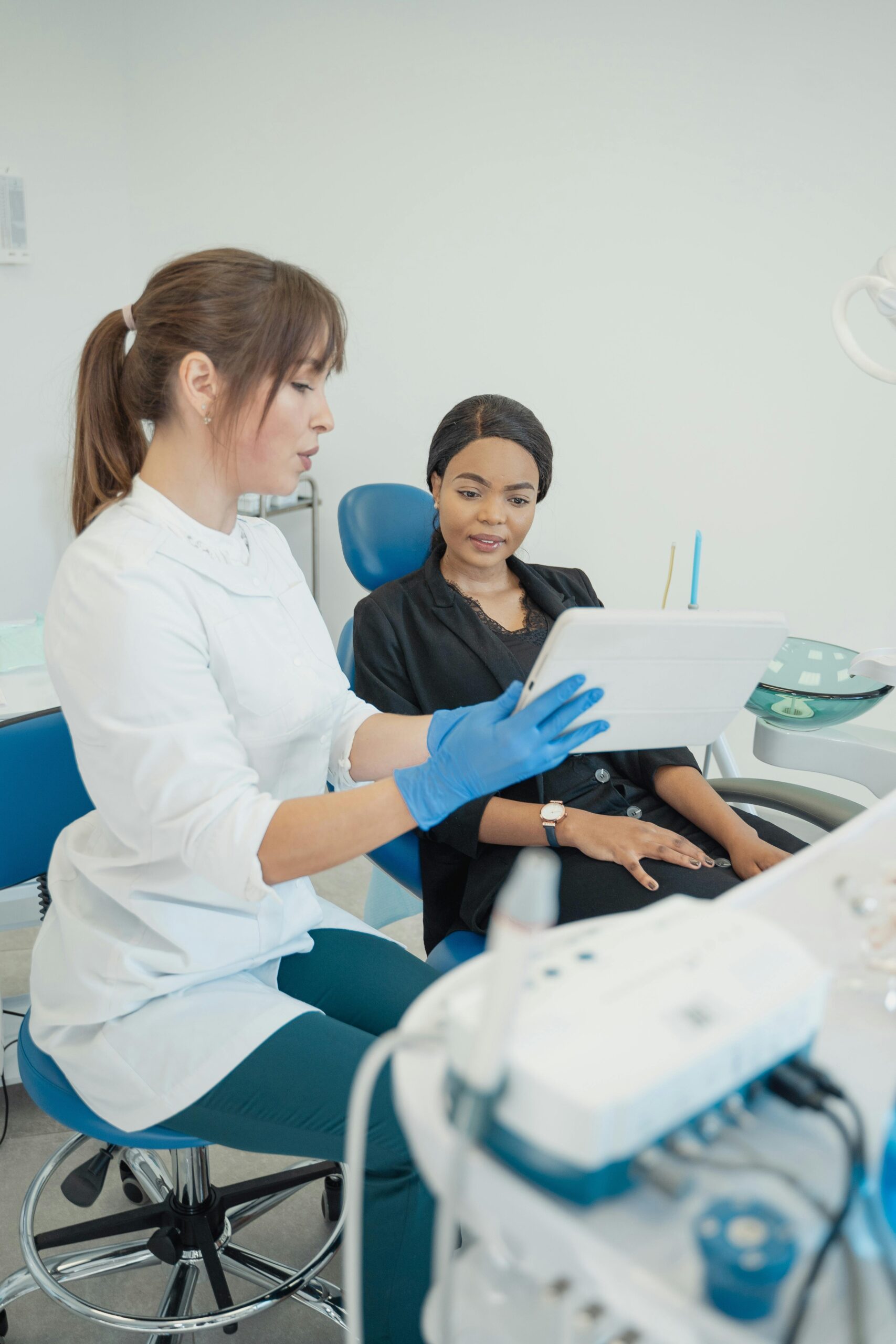
A good implant consultation is part diagnostic appointment, part strategy session. It should not feel rushed. The best ones usually involve a close review of medical history, oral habits, photographs, radiographs, and often three-dimensional imaging. The patient’s goals need equal attention. Some patients care most about fixed teeth that feel secure. Others are deeply concerned about appearance in photos, speech in professional settings, or avoiding a removable appliance.
This is also when expectations should be clarified. A patient may arrive hoping for an implant in a single visit, only to learn that the site needs grafting first. That news is easier to accept when it is explained plainly and early. Conversely, some patients assume the process will take a year when they may qualify for immediate placement or a shorter sequence. Clear communication reduces surprises, and fewer surprises usually lead to smoother treatment.
In Bakersfield, as in many growing communities, patients come from a wide mix of backgrounds and schedules. Some work long agricultural hours. Some travel for energy or logistics jobs. Some are retirees balancing treatment timing with fixed incomes. Personalized planning has to account for real life, not just ideal clinical conditions. A technically perfect plan that ignores someone’s ability to attend follow-up visits is not, in the full sense, a good plan.
Imaging and diagnostics, where precision begins
Modern implant treatment depends heavily on imaging, especially cone beam computed tomography when indicated. A standard two-dimensional radiograph still has value, but it cannot fully show buccal-lingual bone width, sinus anatomy, or nerve proximity the way three-dimensional imaging can. For many implant cases, that added detail changes the plan from approximate to precise.
A CBCT scan helps determine whether an implant can be placed immediately, whether augmentation is needed, and what implant dimensions make sense. It also helps identify anatomical variations that may not be obvious on routine films. In the upper posterior jaw, for example, sinus septa can complicate a planned lift. In the anterior mandible, lingual undercuts can influence angulation and depth. These are the details that experienced clinicians look for because they know how quickly a routine procedure can become difficult when anatomy is assumed rather than verified.
Digital scans and models add another layer. They allow the team to evaluate spacing, bite relationship, and restorative contours before surgery. In ideal circumstances, the final crown is considered from the beginning, and the implant is placed to support that restoration. This “restoration-driven” approach sounds obvious, but it is one of the clearest markers of thoughtful planning.
Single tooth implants versus larger reconstruction
The phrase dental implants covers a wide range of treatment. Replacing one missing premolar is fundamentally different from rebuilding an arch with multiple implants. The planning principles overlap, but the margin for error and the sequencing can differ dramatically.
A single tooth implant often aims to preserve the health of adjacent teeth. That is one of its biggest advantages over a traditional bridge. If the neighboring teeth are intact and healthy, avoiding unnecessary reduction is meaningful. Even then, details matter. The shape of the extraction socket, timing of placement, emergence profile of the crown, and tissue support all influence whether the restored tooth blends naturally.
Larger cases are more complex because they involve bite dynamics, force distribution, speech, lip support, and hygiene design. A patient missing many teeth may not simply need replacements, but a reestablishment of vertical dimension and occlusal stability. In those situations, personalized treatment planning becomes indispensable. It is not only about placing implants where bone exists. It is about designing a system that the patient can live with and maintain.
One common turning point comes when a patient with a failing dentition asks whether every questionable tooth should be removed at once. Sometimes that is appropriate. Sometimes preserving strategic natural teeth, even temporarily, improves function and allows a phased transition. This is where clinical judgment matters more than slogans. Aggressive treatment is not always superior treatment.
Bone grafting, sinus lifts, and timing decisions
Bone grafting can sound intimidating, but in implant care it is often a practical way to create a more stable foundation. The need for grafting depends on how much bone has been lost, where the tooth is located, and what final result is expected. A front tooth with a visible gum line may require a very different grafting strategy than a back molar hidden from view.
Timing is one of the most important personalized decisions. In some cases, extraction and implant placement can occur at the same appointment. In others, delaying placement allows infection to resolve and tissues to mature. There is no virtue in forcing an immediate implant into a site that is poorly suited for it. Likewise, there is no reason to delay when the anatomy and clinical circumstances support a predictable immediate approach.
The upper back jaw deserves special mention. Sinus pneumatization after tooth loss is common, and it often limits implant length or stability. A sinus augmentation may create the necessary vertical height, but not every patient needs the same type of lift. The choice between a smaller internal lift and a lateral window approach depends on residual bone, sinus anatomy, and implant goals. These are not interchangeable procedures, and they should be discussed in terms the patient can understand.
Health history changes everything
Systemic health is not a side note in implant treatment. It can be central. Patients with well-controlled diabetes often do very well, but poor glycemic control may raise healing risks. Smoking remains a significant concern, especially for graft maturation and long-term tissue health around implants. Certain medications, especially those related to bone metabolism or immune modulation, deserve careful review. Dry mouth, autoimmune disorders, and previous head and neck radiation can also affect planning.
This does not mean patients with medical complexities are automatically excluded. Far from it. It means their treatment should be tailored with realism. Sometimes that means coordinating with a physician. Sometimes it means modifying surgical timing, choosing a less extensive plan, or increasing maintenance visits after restoration.
A patient who clenches heavily at night presents another kind of risk profile. The implant may integrate perfectly, but https://simonkynu911.lakeviewbrief.com/posts/dental-implants-bakersfield-ca-for-adults-of-all-ages excessive force can still fracture porcelain, loosen components, or accelerate mechanical wear. In those cases, occlusal design and protective appliances are part of personalized planning, not optional extras.
Esthetics and function, the balance patients feel every day
Patients often divide dental treatment into cosmetic versus functional, but implant care usually blends both. A tooth that looks excellent but traps food or feels awkward in bite is not a success from the patient’s perspective. A tooth that functions well but looks flat, gray, or mismatched in the smile zone also misses the mark.
Front tooth implants are particularly demanding because the eye is unforgiving. Tiny changes in gum level, contour, or crown shape are noticeable. This is one reason experienced clinicians can be cautious about promises in the esthetic zone. A natural front tooth emerging from healthy tissue is biologically different from an implant-supported crown, and duplicating nature perfectly is not always possible. The goal is a stable, harmonious result that serves the patient well, not a casual guarantee of perfection.
Back teeth bring a different challenge. Molar implants handle substantial force. The crown should be shaped to allow cleaning, maintain bite support, and minimize overload. Occasionally, patients want the widest possible chewing surface because it feels intuitive. Yet an oversized crown on a narrow implant site can create leverage problems and hygiene issues. Better planning often means making the restoration slightly more conservative to improve long-term performance.
Financial planning is part of clinical planning
Cost is a real factor in implant decisions, and patients appreciate direct, respectful conversations about it. Personalized treatment planning should include not only what is ideal, but what is feasible. That does not mean lowering standards. It means helping patients understand phased treatment, priorities, and alternatives without pressure.
For example, a patient may need extraction, grafting, and two implants, but can only move forward with the surgical phase now and the final restorations later. Another patient may be choosing between an implant and a bridge, weighing the higher upfront implant cost against preservation of adjacent teeth and future maintenance considerations. There is no single right answer for every budget or timeline.
What matters is transparency. Fees should be explained in relation to the full process, not just the day of placement. Patients should understand whether imaging, graft materials, temporary restorations, abutments, and final crowns are separate or bundled. Confusion at this stage undermines trust and can derail otherwise appropriate treatment.
Healing and follow-through, where many outcomes are decided
Implant placement is only one chapter. Healing behavior, provisionalization, hygiene, and maintenance often determine whether a good surgical result becomes a durable one. This is another area where personalized planning pays off.
Some patients heal quickly and follow instructions closely. Others struggle with oral hygiene, frequent travel, or nicotine reduction. Those realities affect follow-up scheduling and risk management. A patient with a history of inconsistent care may need shorter maintenance intervals and more coaching around home care. That is not punitive. It is preventive.
Peri-implant tissue health deserves steady attention. Implants do not get cavities, but they can lose bone when inflammation is allowed to persist. The warning signs are often subtle at first, a little bleeding, slight puffiness, a patient saying floss catches in a new way. Good offices track these changes early. Good patients report them instead of waiting for pain.
Questions worth asking before you commit
A consultation should leave you informed, not overwhelmed. If you are exploring Dental Implants Bakersfield CA, ask how the provider determines candidacy, what imaging is recommended, whether grafting is likely, and who will design and place the final restoration. Ask what timeline fits your specific case rather than what is typical in general. Ask how night grinding, smoking, or previous gum disease affect your prognosis.
It is also reasonable to ask how complications are handled. No responsible clinician promises that nothing unexpected can occur. What you want is a thoughtful explanation of risk, contingency planning, and maintenance after treatment. The calm confidence to discuss limits is usually more reassuring than a polished sales pitch.
Bakersfield patients benefit most when treatment fits their real lives
There is a practical side to care in Bakersfield that often goes unspoken. Climate, work schedules, commuting patterns, and access to follow-up appointments can all influence treatment success. A patient who spends long days outdoors in physically demanding work may need postoperative timing arranged around recovery and hydration. Someone who travels often for work may benefit from consolidating visits when clinically safe. Retirees may prioritize long-term stability over speed. Younger professionals may place more weight on temporary esthetics during healing.
None of these priorities are trivial. Dentistry happens in human lives, not in isolated clinical diagrams. The best implant plans account for that without compromising core standards of diagnosis and execution.
What a strong treatment plan usually feels like
When planning is done well, patients tend to describe the process in similar terms. They feel listened to. They understand why a recommendation was made. They know where the uncertainties are, and they know what the next milestone looks like. The treatment sequence makes sense. The financial discussion is clear. The team seems to be thinking several steps ahead.
That feeling is not accidental. It usually reflects careful case review, clear communication, and respect for the difference between what can be done and what should be done.
Dental implants can be one of the most satisfying treatments in dentistry. They can restore comfort, preserve neighboring teeth, improve chewing, and give patients back an ease they may not have realized they lost. But the implant itself is only part of the story. The deeper value comes from a plan built around anatomy, health, goals, and daily realities.
For anyone considering Dental Implants Bakersfield CA, that is the standard worth looking for. Not the fastest pitch, not the broadest promise, but a personalized treatment plan with sound reasoning behind every step.
Smyle Dental Bakersfield
2016 E St, Bakersfield, CA 93301, United States
+16614939040
FAQ About Dental Implants Bakersfield CA
What is the downside of a dental implant?
The main downsides of dental implants involve high financial costs, surgical risks, a lengthy healing process, and the potential for long-term complications.
How much does a full set of implants usually cost?
A full set of dental implants (covering both the upper and lower arches) typically ranges from $6,000 to $90,000+, depending heavily on the type of treatment, materials used, and whether the teeth are fixed or removable.
Can I have all my teeth pulled and get implants?
Yes, you can have all your teeth pulled and replaced with dental implants. Instead of placing a separate implant for every single tooth (which is costly and time-consuming), dentists typically use full-arch systems.